The Peace Tower: A Reflection of Canada’s Values
Canada’s national identity is rooted in resilience, fairness, and collective strength. From coast to coast, this country has built its reputation not through power but through principle. Canada’s strength comes from unity, respect, and a shared belief in doing what is right.
Throughout history, Canada has promoted peace while defending freedom. Our legacy is one of service and sacrifice, not only for our own prosperity but for the stability of others. The nation’s defining symbol, the Peace Tower, stands as a reminder that leadership can be compassionate, and progress can be achieved through cooperation rather than conflict.
A Nation Built on Strength and Unity
Canada’s story is built on diversity and contribution. Indigenous peoples, immigrants, and generations of citizens have shaped a nation grounded in equality and opportunity. Progress in Canada has always been measured by inclusion and shared well-being, not by wealth or dominance.
The Charter of Rights and Freedoms enshrines the values of democracy, justice, and human dignity. These principles guide the decisions of our institutions and define the character of our people. Our social programs, from universal healthcare to education, reflect a collective belief that no one should be left behind.
Canada’s success has never relied on competition alone. It thrives on collaboration, innovation, and fairness. Every community strengthens the nation through participation, respect, and compassion for others.
Why Canada Stands Apart
Canada’s influence extends beyond its borders. Around the world, it is recognized for diplomacy, reliability, and a commitment to peacekeeping. The foundation of this reputation is leadership grounded in ethics and humility.
In times of global uncertainty, Canada continues to demonstrate stability and cooperation. Whether in trade, environmental stewardship, or humanitarian work, it seeks solutions that unite rather than divide. Its strength is moral as much as material—built on trust, integrity, and an enduring sense of responsibility.
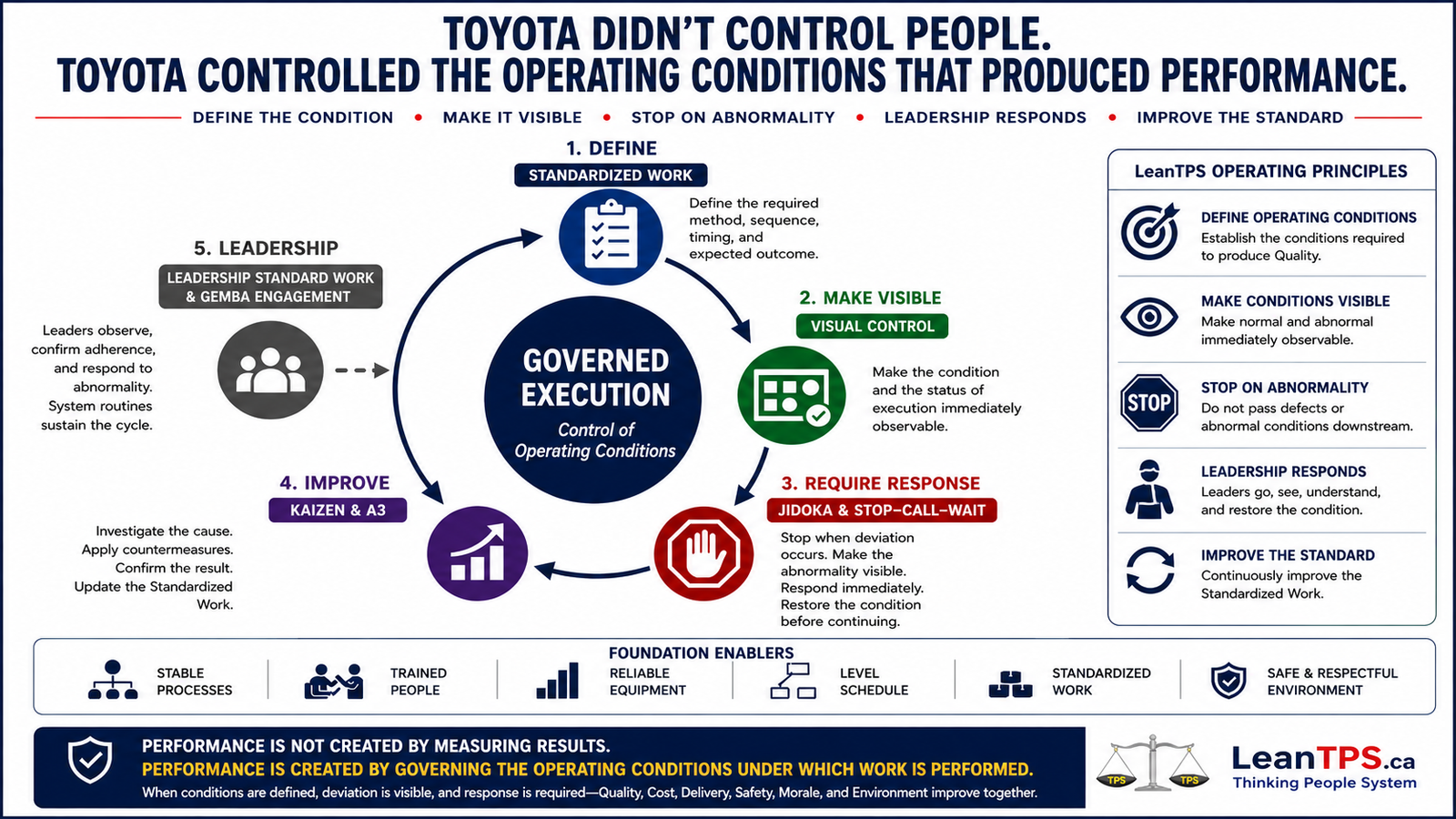
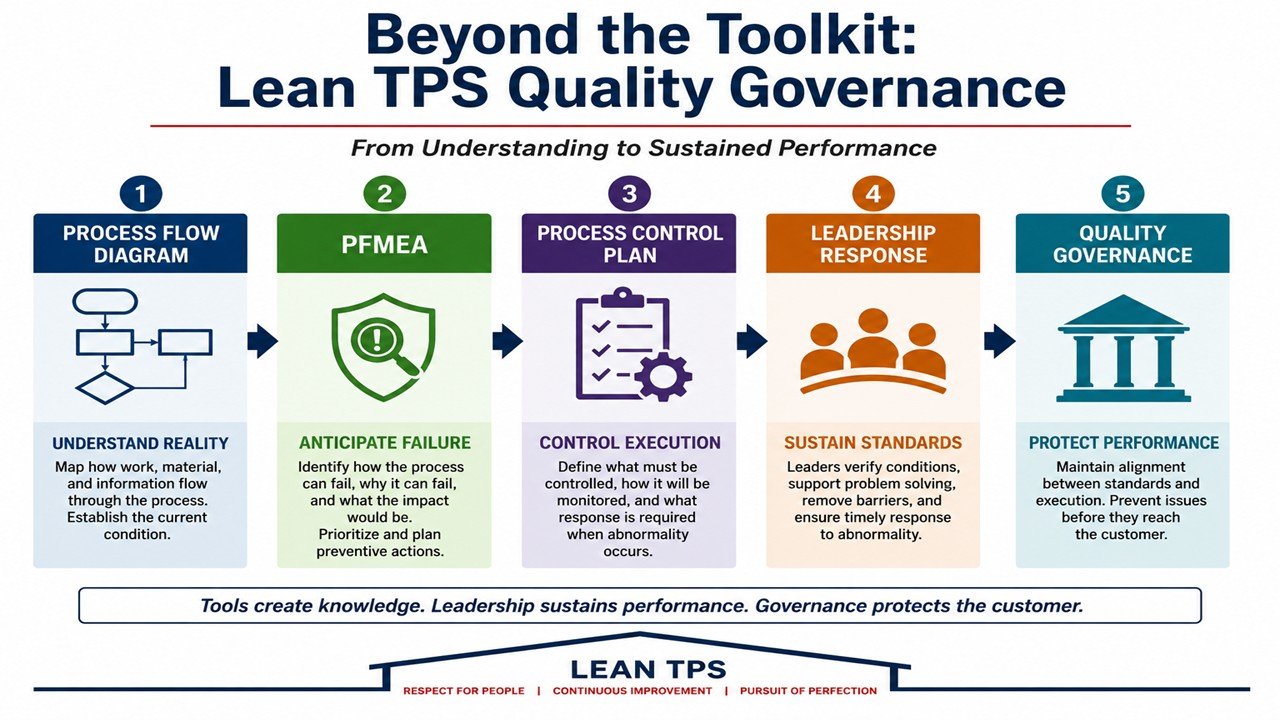
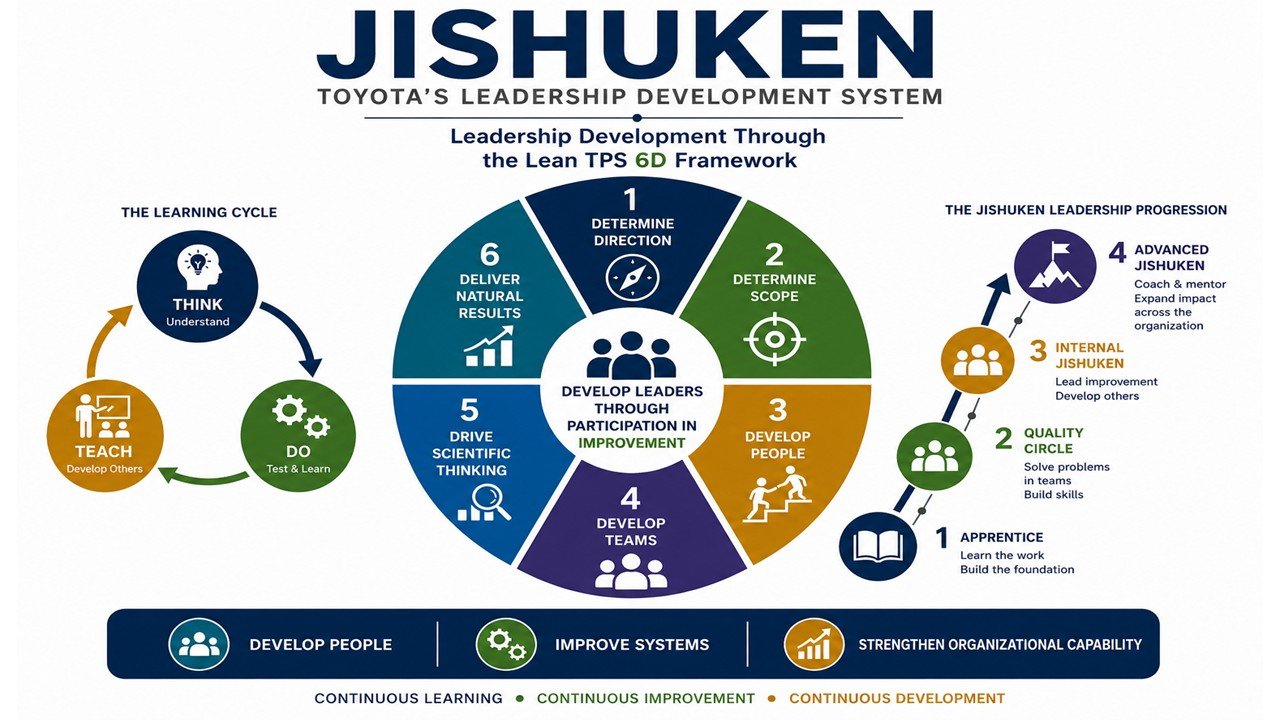
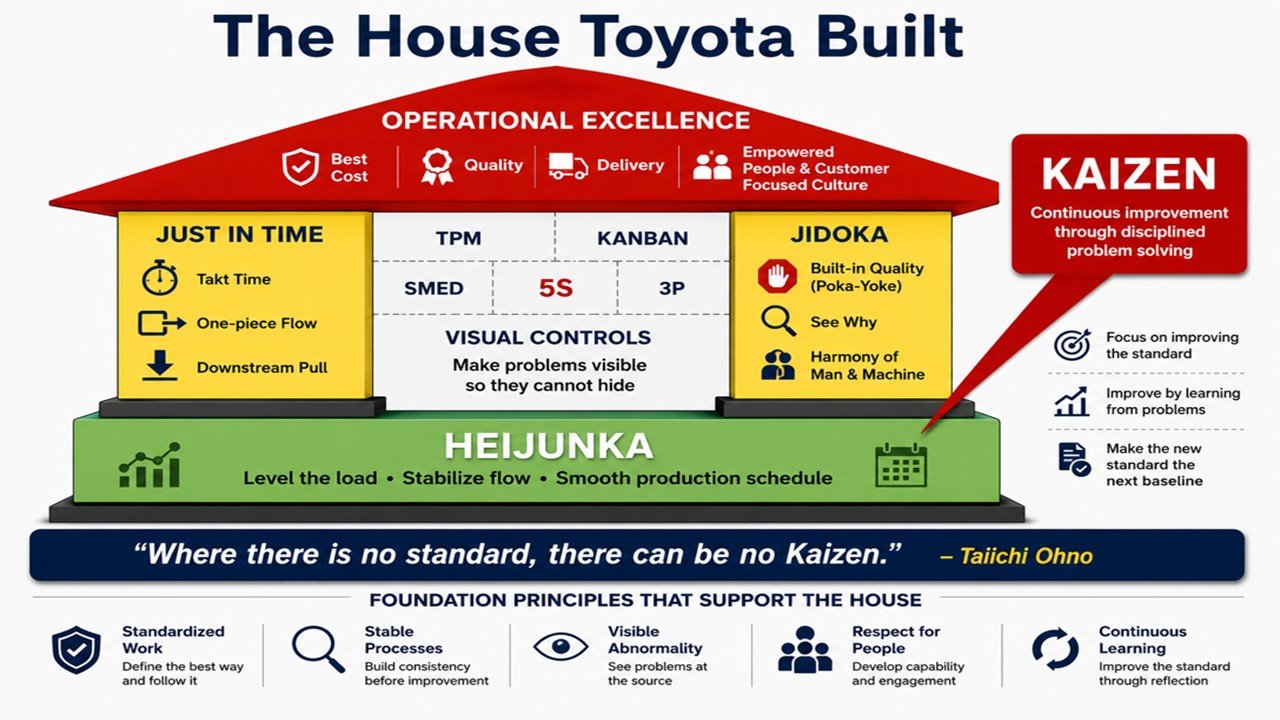
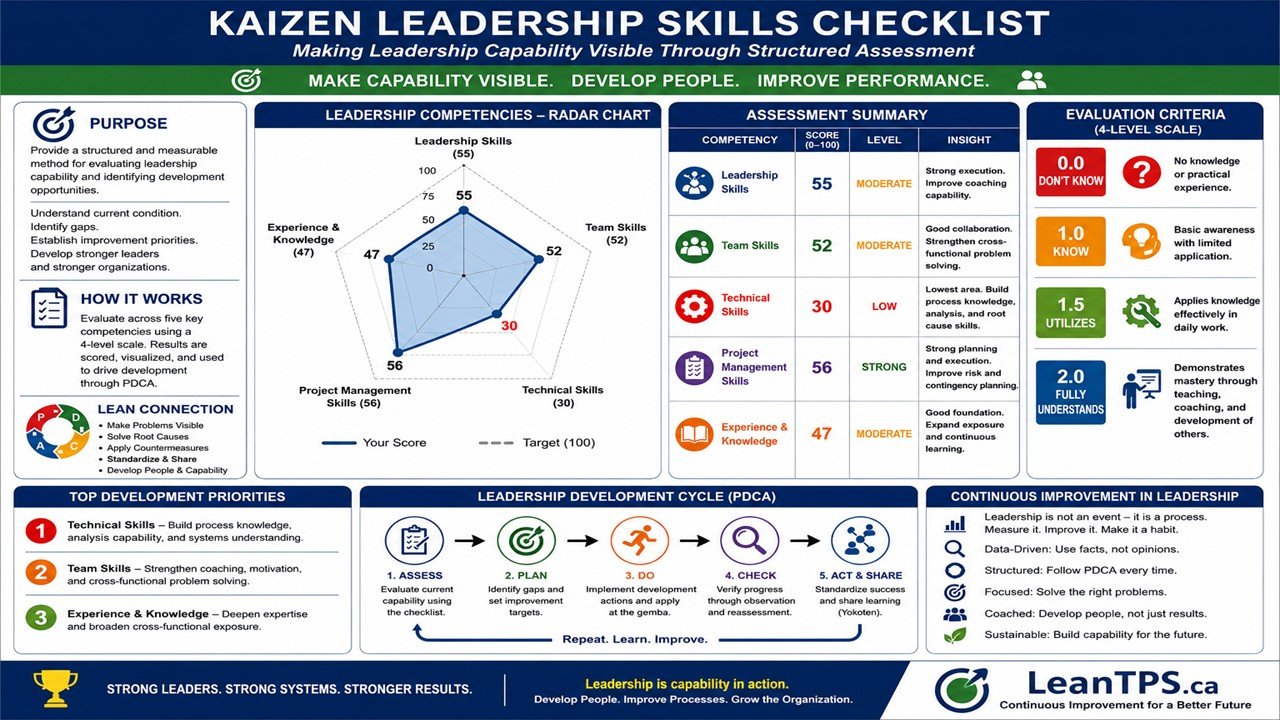
The Canadian approach to leadership mirrors the philosophy of continuous improvement found in Lean TPS. Both emphasize respect for people, accountability, and progress through shared effort. Each system believes true success is sustained not by control but by contribution.
A Commitment to Progress and Peace
Canada’s future depends on maintaining the balance between growth and integrity. As technology, industry, and society evolve, the nation must continue to lead with compassion and discipline.
The Peace Tower, overlooking the nation’s capital, represents more than a landmark. It reflects Canada’s values of respect, fairness, and unity. It stands as a reminder that leadership is a duty of service, and progress must always align with principle.