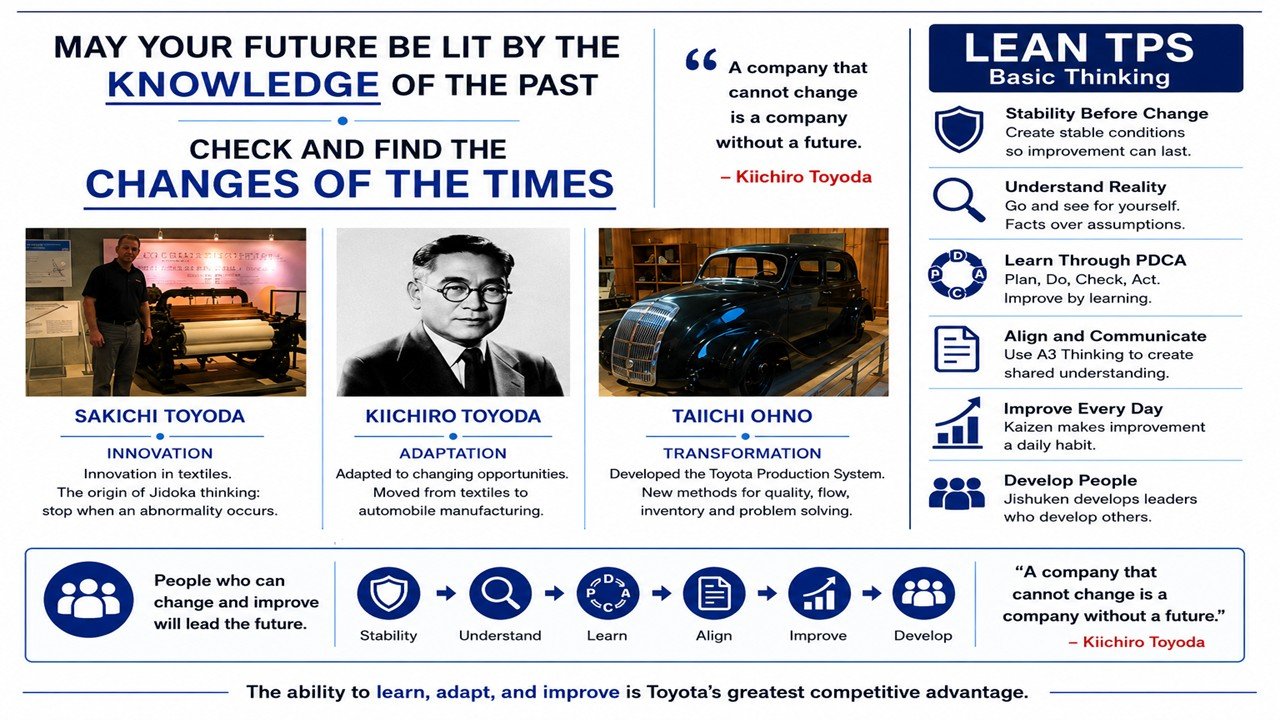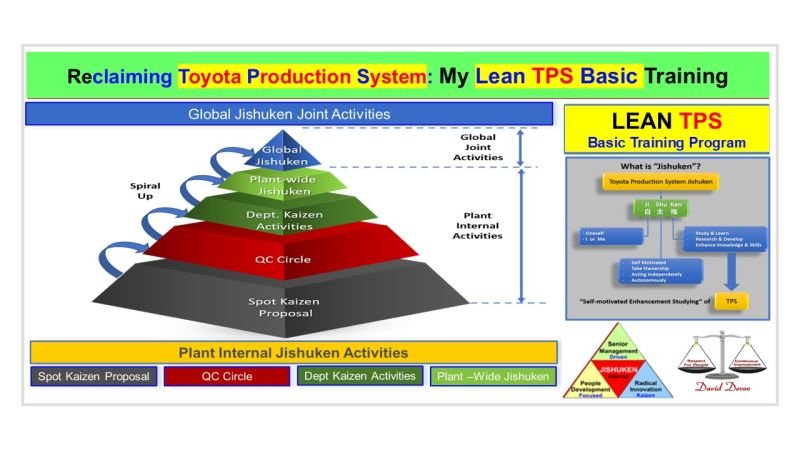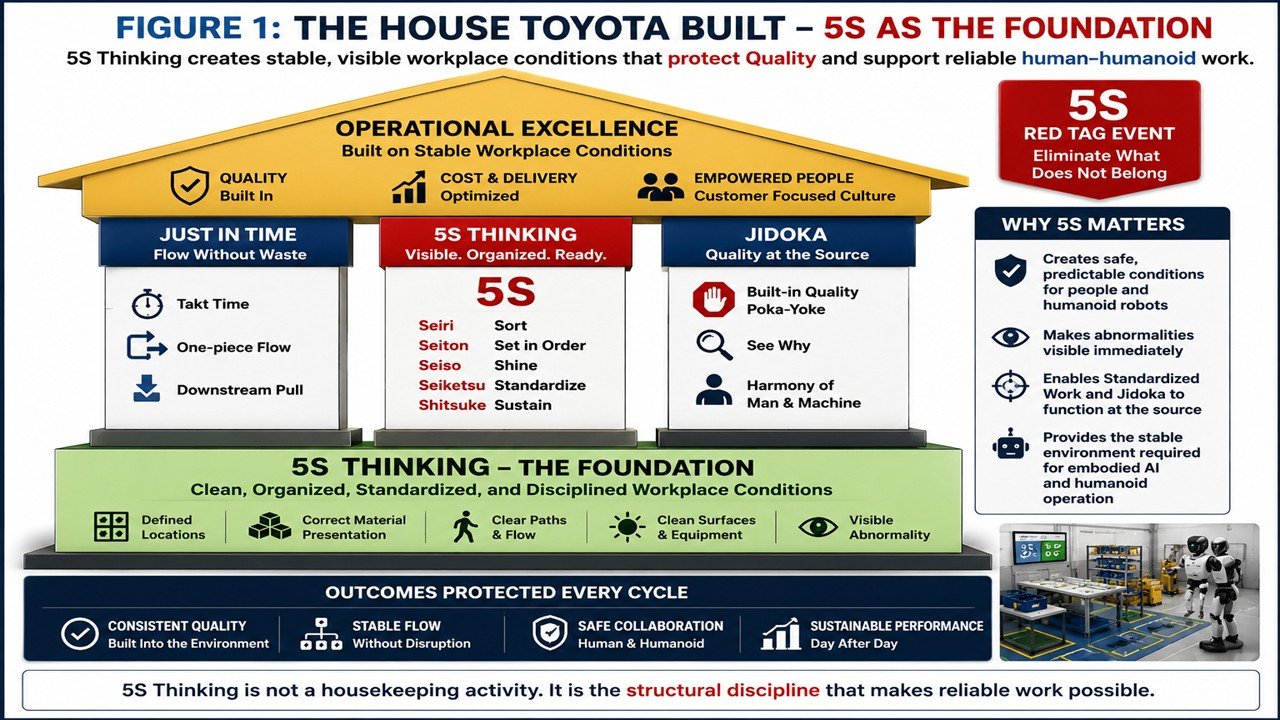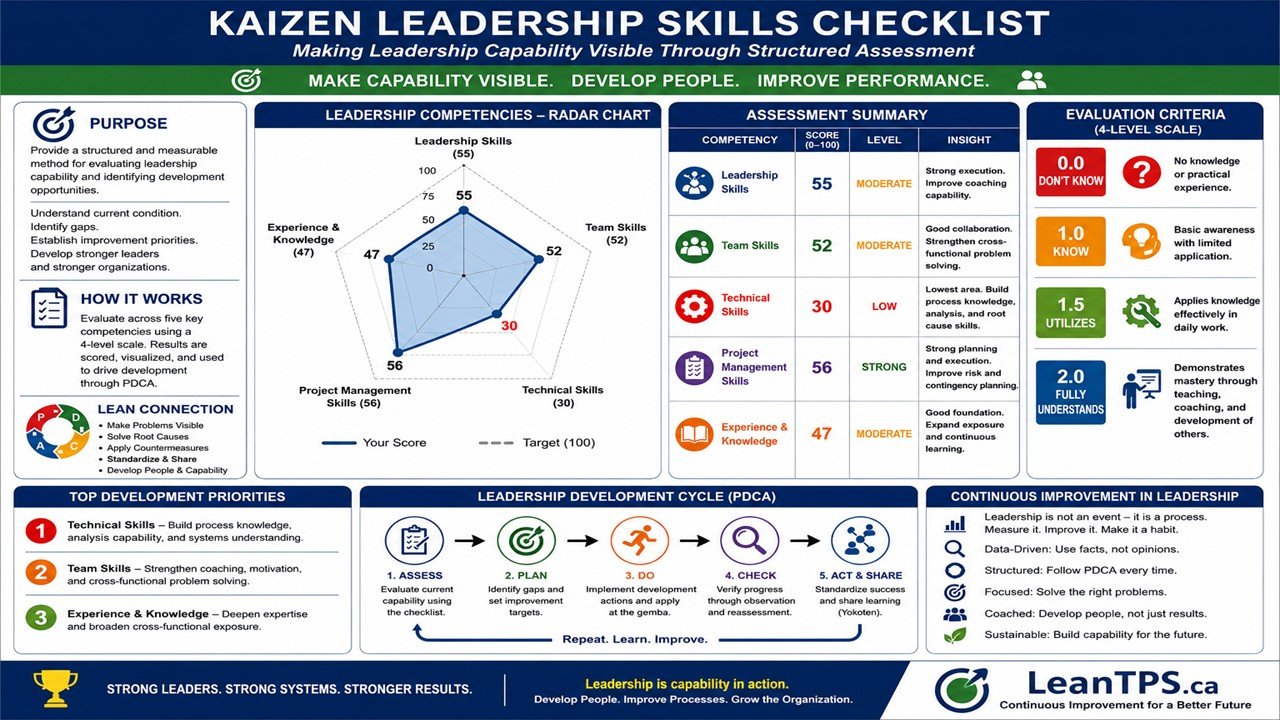
The best way to understand Lean TPS is not through a classroom or a slide deck. It is through direct experience at the Gemba. The Japan Lean Immersive Tour (JLIT) provides that opportunity by bringing participants face to face with the real Toyota Production System as it is practiced in Japan today.
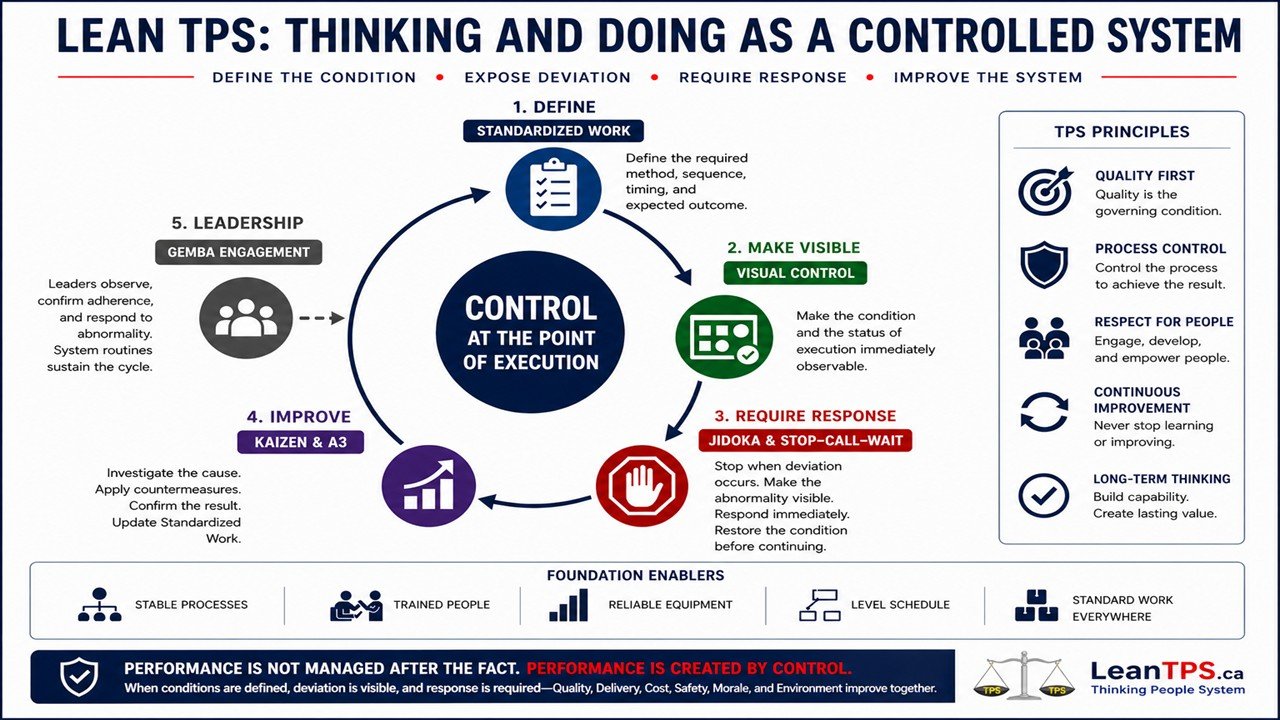
The JLIT experience is not a sightseeing trip. It is a structured journey through factories, suppliers, and training dojos that reveal how Toyota builds both systems and people. Each visit is designed around the principles of Just in Time, Jidoka, and Respect for People. Participants learn to observe flow, identify waste, and see the thinking behind every visual control and production rhythm.
At its core, Lean TPS is a learning system. It depends on leaders and teams who can reflect, question, and evolve from experience. The JLIT program reinforces this by immersing participants in real operations where improvement is lived daily. Instead of studying abstract theory, they see how Andon signals are used to protect quality, how Heijunka smooths production, and how Kaizen is applied as a normal part of work.
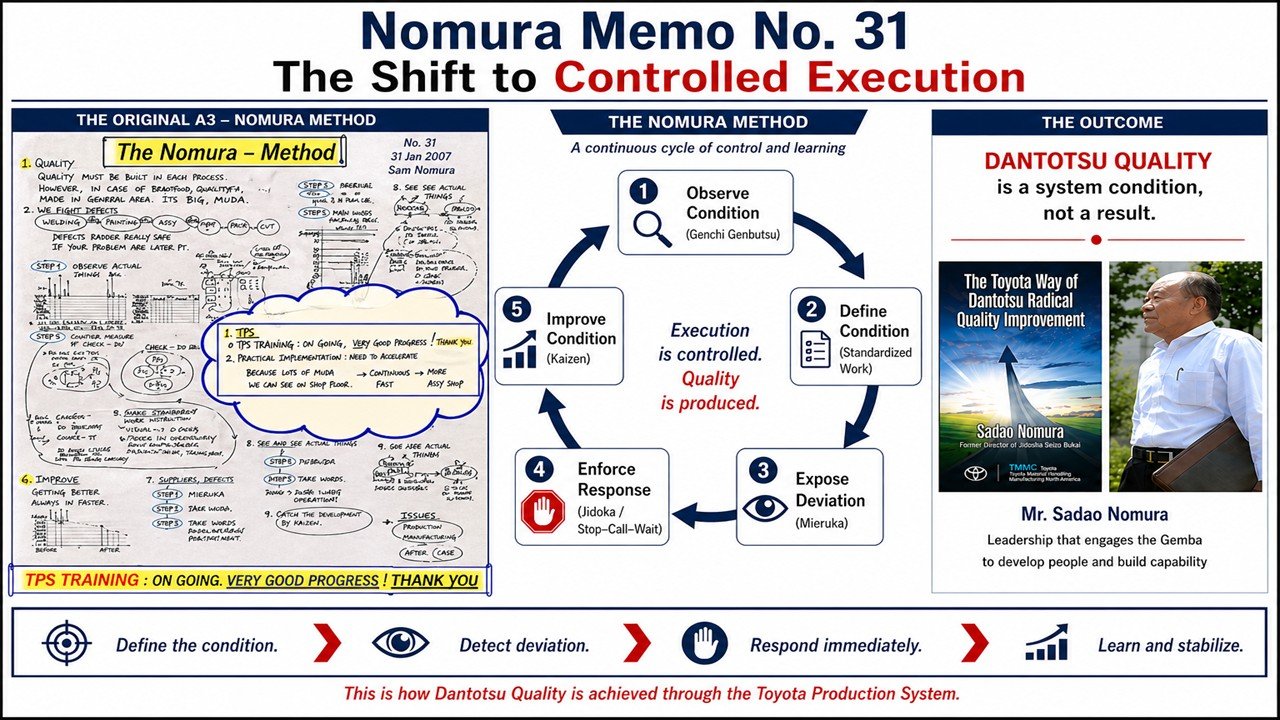
This kind of training cannot be replicated online or in a conference room. It requires seeing and feeling how the system behaves in motion. Participants observe how leaders coach at the line, how standard work is developed, and how responsibility and respect are balanced through structure. Each moment is a lesson in how the Toyota Way principles are applied with precision and humanity.
The JLIT program, guided by experienced facilitators such as DJ Duarte, provides structured reflection sessions between site visits. These sessions help participants connect what they saw with the underlying Lean TPS principles. The result is a deeper understanding of why TPS is not just a set of tools but a complete management system.
Every organization that has adopted Lean has done so with varying degrees of success. The difference often comes down to whether leaders truly understand the system’s intent. Immersive learning in Japan helps close that gap. By walking the Gemba, leaders see what it means to stabilize before improving, to protect people before product, and to learn by doing rather than instructing.
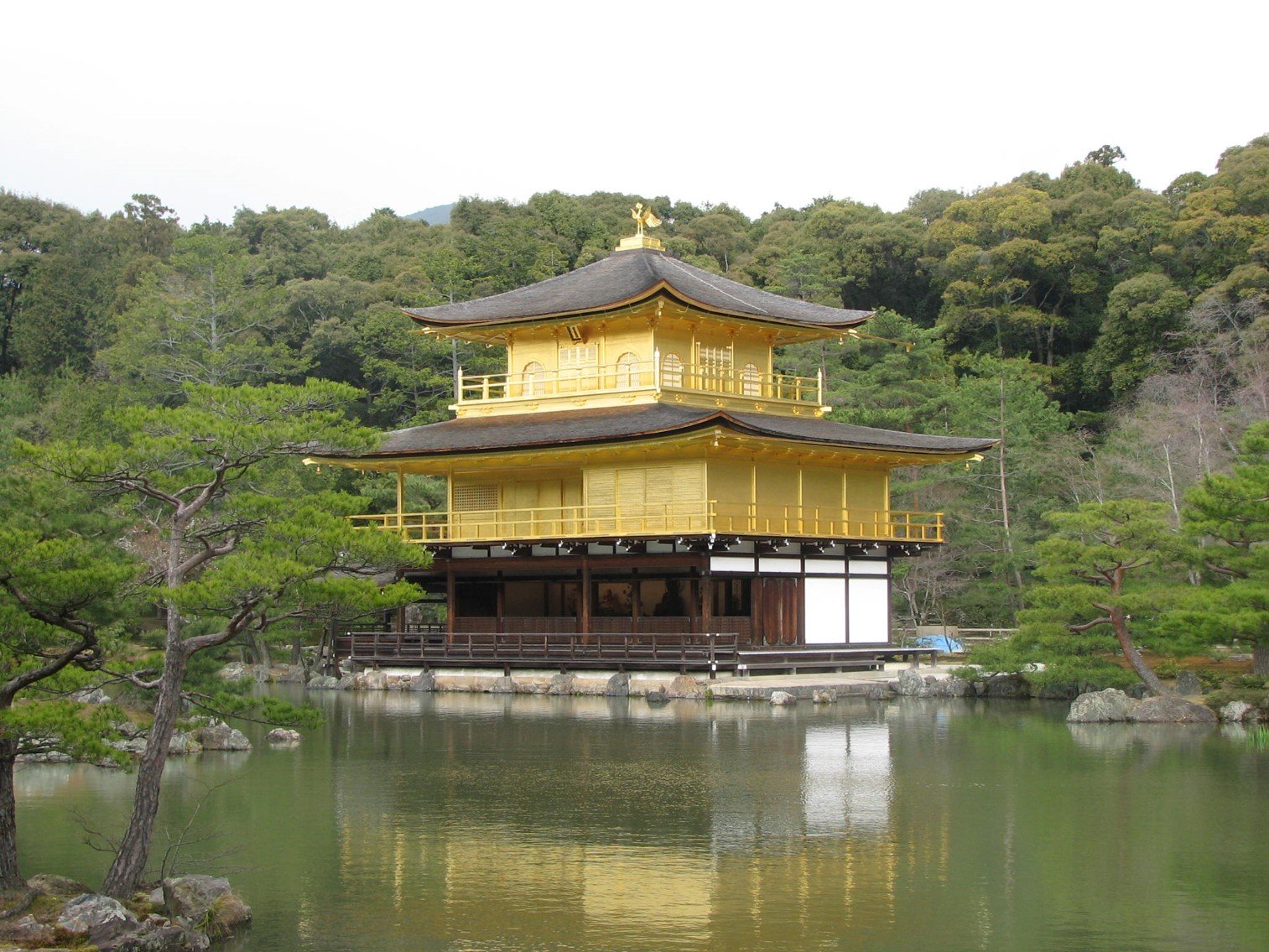
Becoming a learning organization is central to Toyota’s philosophy. The image of Kyoto’s Golden Temple reflects that spirit. Like the temple’s calm reflection in water, Lean TPS is built on mindfulness, balance, and steady improvement. JLIT offers a way to experience those principles in action and bring them home with clarity and conviction.
If your organization is ready to move beyond slogans and study Lean TPS as it was meant to be learned, consider an immersive experience in Japan. True understanding begins at the source.