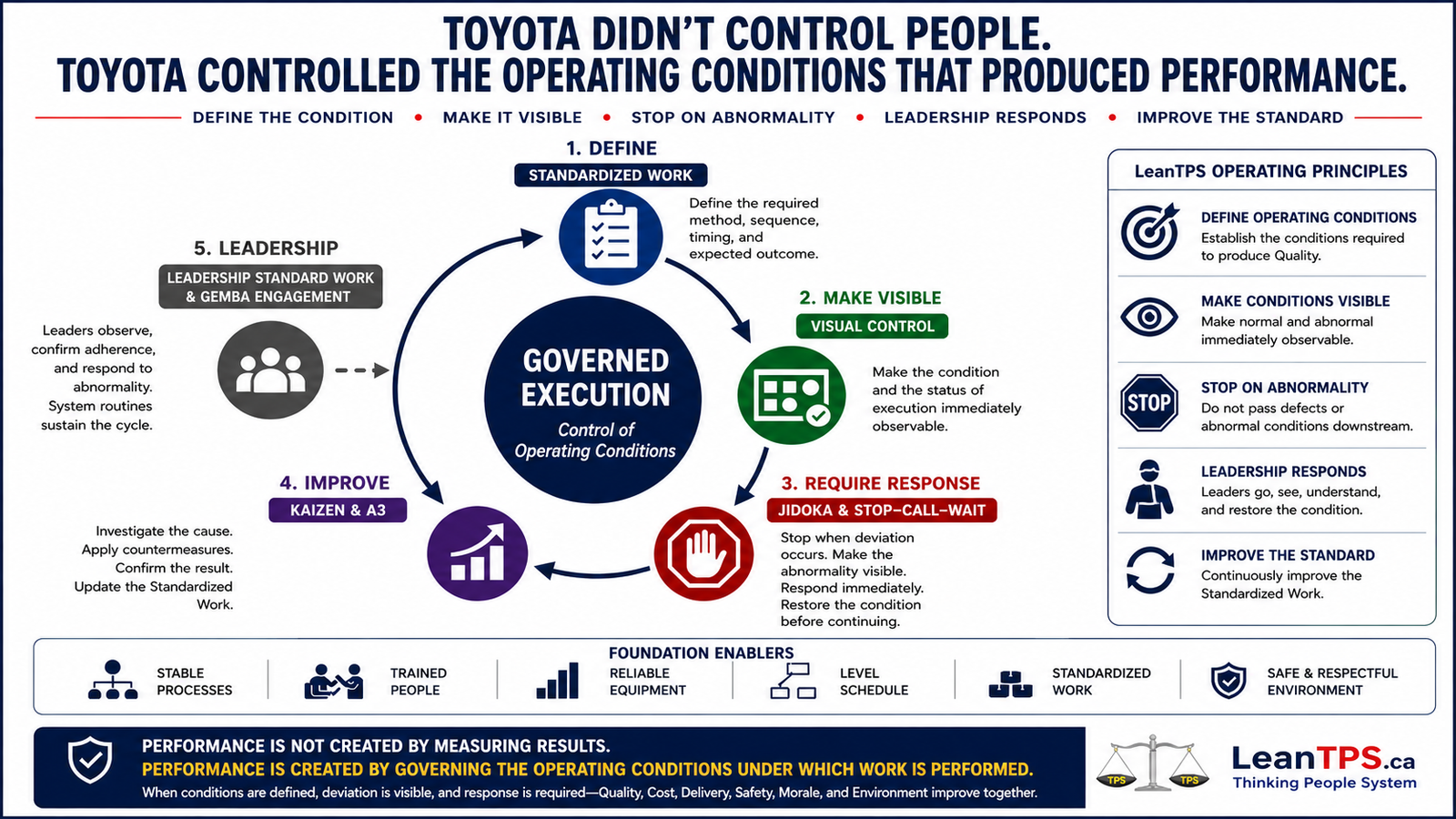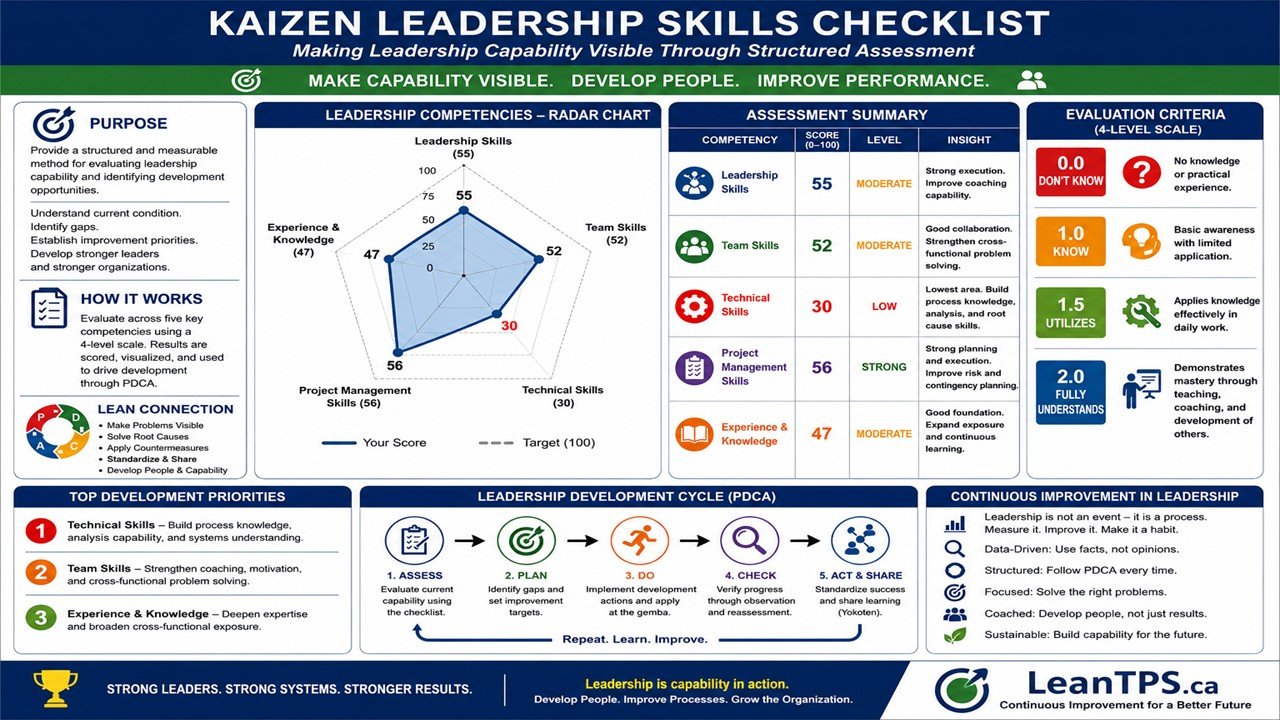
At Toyota, improvement did not begin with tools or projects. It began with people learning how the system worked. Every staff member, from office to production support, was trained to understand how their role influenced flow, stability, and quality.
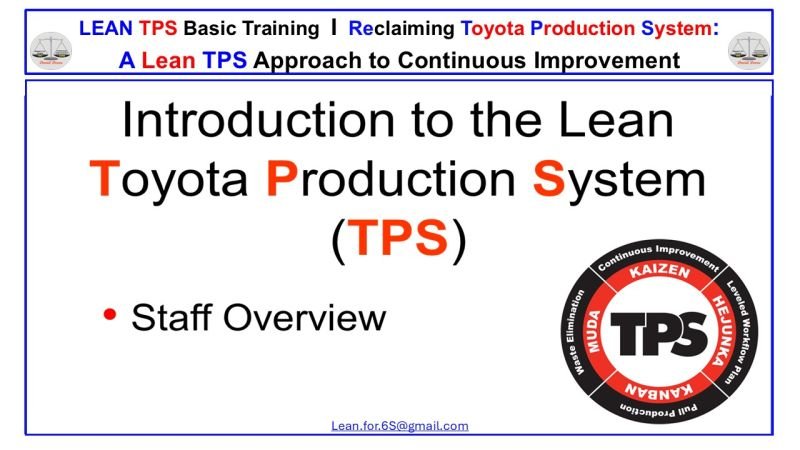
This post is based on Module 1b: Staff Overview from Lean TPS Basic Training. It explains how Toyota built team-based improvement by connecting daily staff activity to system behavior.
Building Systems, Not Initiatives
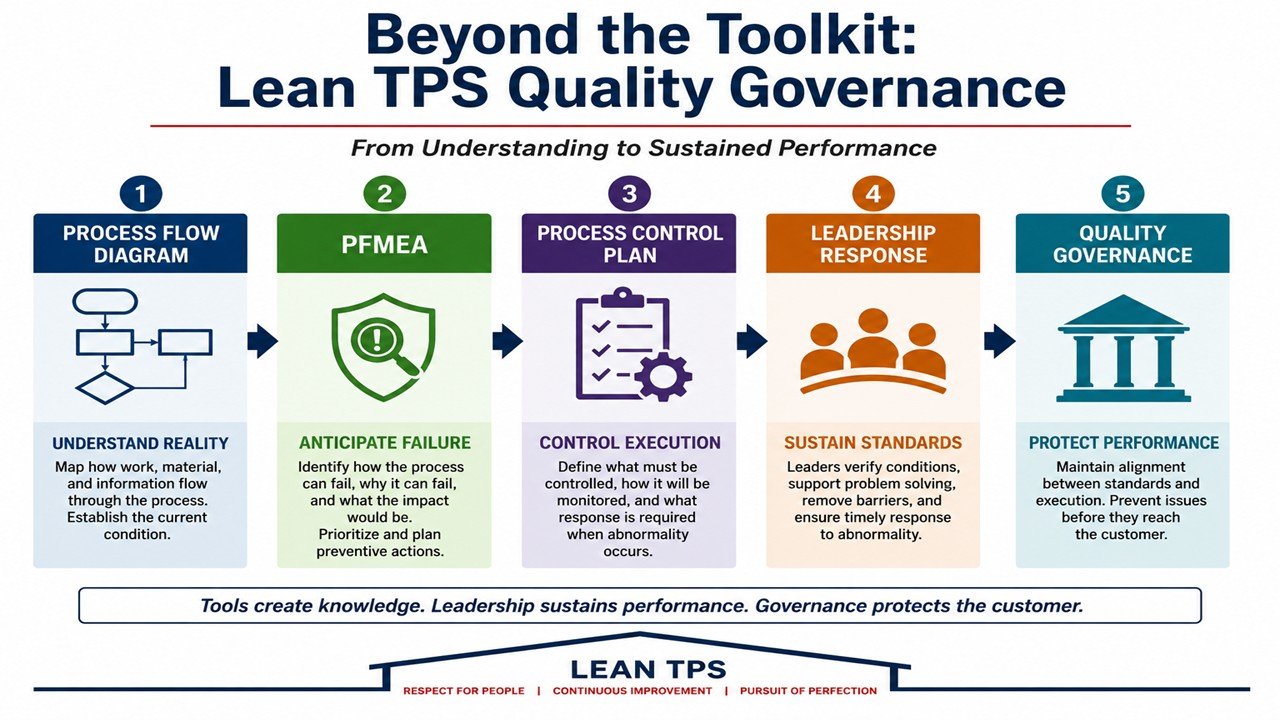
Most organizations begin with tool implementation. They introduce 5S, Kanban, or Kaizen events as isolated activities. The issue is that tools without systems fade. At Toyota, we began by teaching the system logic first. The tools followed.
Lean TPS teaches that sustainable improvement comes from system design, not slogans. The focus is not on doing more work but on clarifying how work should flow, how problems should surface, and how people should respond.
Kaizen as Daily Practice
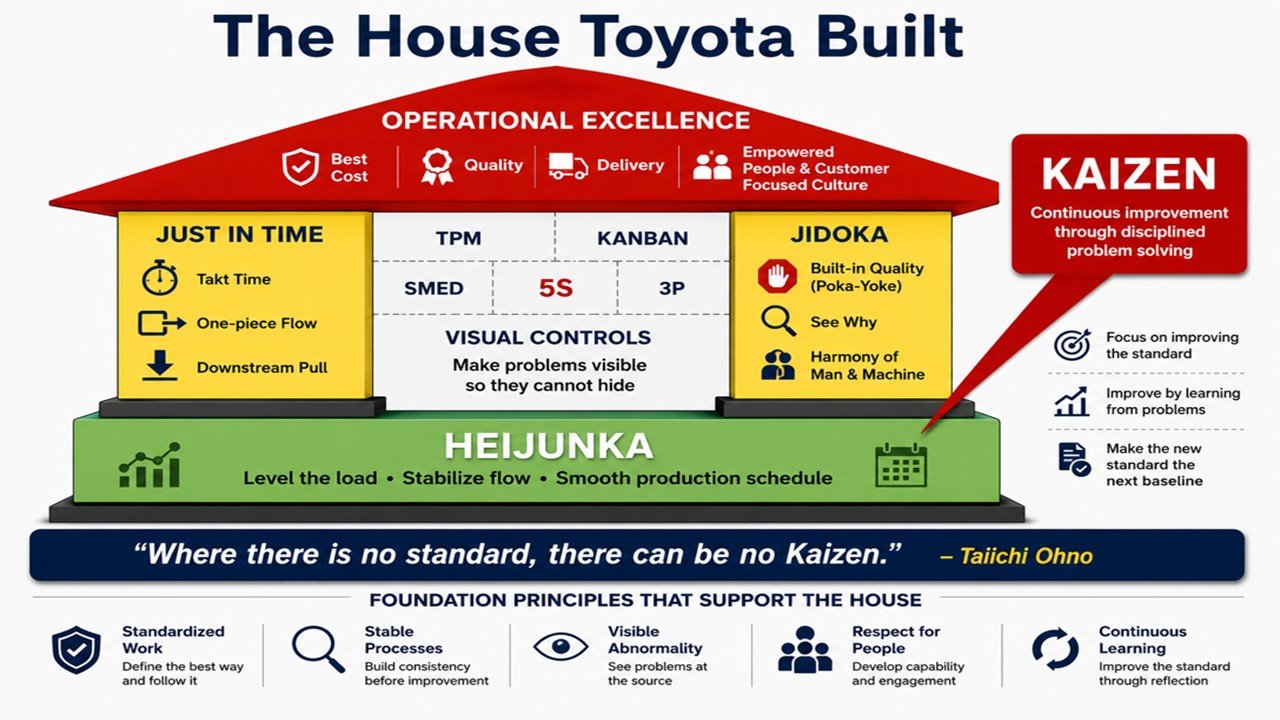
The foundation of staff training is Kaizen—continuous improvement through small, structured changes. Every staff member learns that improvement is not optional or event-based. It is part of their daily responsibility.
When small problems are made visible, they can be solved quickly. When they are ignored, they grow into failures. Lean TPS builds habits that make small issues visible and shared. Improvement becomes collective, not individual.
Genchi Genbutsu: Go and See
Staff are trained to go directly to the source. Genchi Genbutsu means “go and see for yourself.” It is the opposite of desk-based management. When a problem occurs, staff and leaders observe actual conditions at the actual place, with the people involved.
This approach eliminates assumptions and builds credibility. People who see the problem firsthand understand it deeply and can take ownership of both cause and countermeasure.
Heijunka and Flow Stability
Flow disruptions are one of the most common barriers to performance. Staff training includes Heijunka—the method of leveling production and balancing workload. This teaches that consistent flow reduces noise, reveals problems faster, and protects quality.
Support functions also learn to align their work to takt time, not internal schedules. This synchronization ensures that office processes support, rather than interrupt, the production rhythm.
Connecting to Strategy Through Hoshin Kanri
Lean TPS builds alignment through Hoshin Kanri, or policy deployment. Staff learn how their work connects to organizational objectives. This creates shared understanding and direction.
Strategic goals are not posted on walls. They are translated into daily activities and reviewed frequently. Leaders and staff confirm progress weekly and adjust actions based on actual performance, not assumptions.
Hansei: Reflection as a System Habit
Every improvement cycle ends with reflection. Hansei means structured self-review. Teams examine what was learned, what succeeded, and what needs correction.
Hansei is not blame or report writing. It is collective study. Teams use it to understand the system’s behavior and refine their approach. This reflection turns experience into capability.
When Staff Understand the System
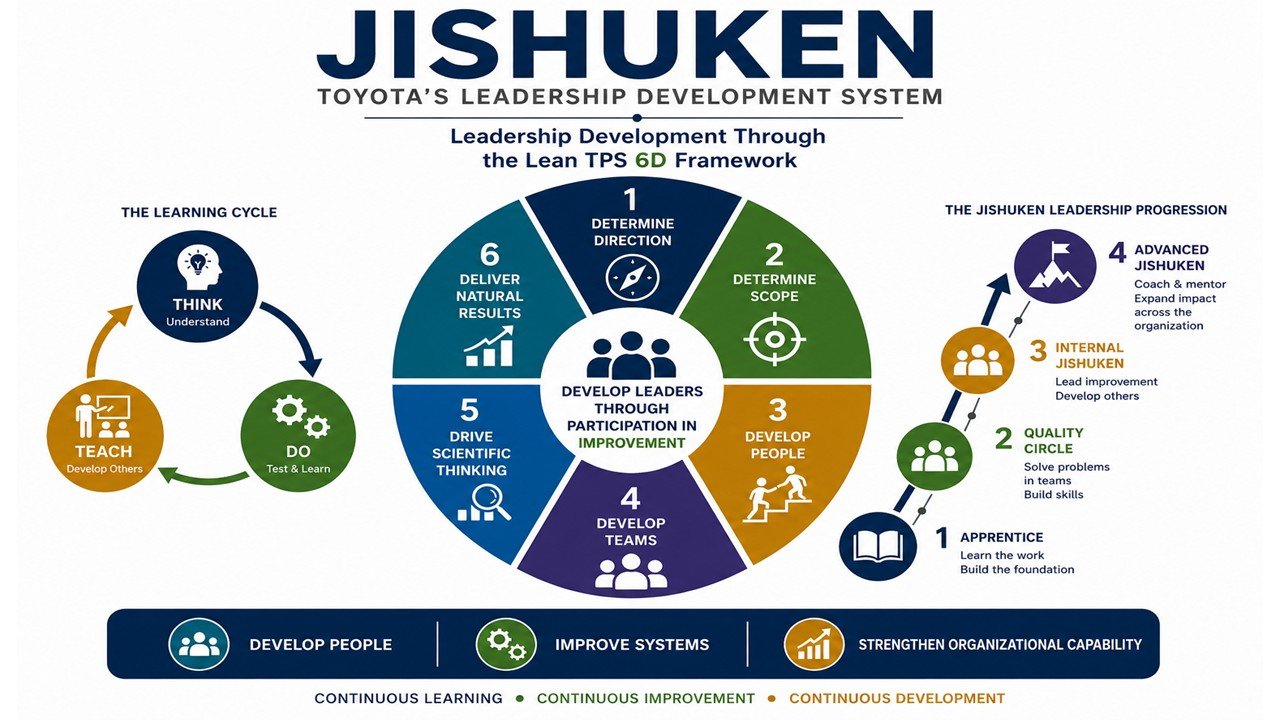
When staff are trained to think and act through Lean TPS principles, improvement becomes self-sustaining. They no longer wait for instruction or external permission to solve problems. They are equipped to identify gaps, take corrective action, and confirm stability.
This is what differentiates a Lean TPS organization from a Lean toolkit. The system builds people, and the people strengthen the system.