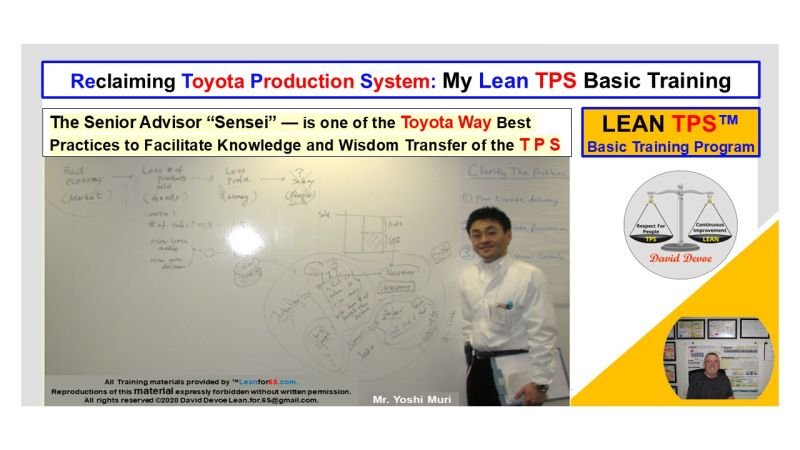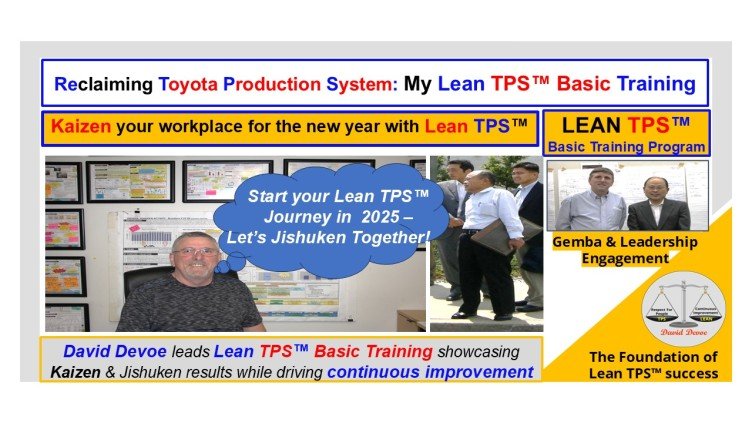
The Toyota Production System is more than a method of production. It is a system for developing people through disciplined reflection, structured improvement, and respect for teamwork. My journey toward Lean TPS began by learning how Toyota’s legacy evolved from the early industrial era to the modern age of continuous improvement.
In the spirit of Hansei, or reflection, I often look back on how these principles shaped my own development. The idea for Lean TPS came from connecting the evolution of industry with Toyota’s consistent focus on people and process. What began as an effort to improve operations at Toyota BT Raymond became a framework for teaching others how to think, act, and improve using TPS logic.
Structured Improvement
The origins of structured improvement go back to the Industrial Revolution. Machines improved, but management systems lagged behind. Early efficiency models such as Taylor’s scientific management optimized motion but ignored the human element. Toyota corrected that imbalance by combining Just In Time with respect for people. This became the start of a true thinking system.
The Birth of the Toyota Production System
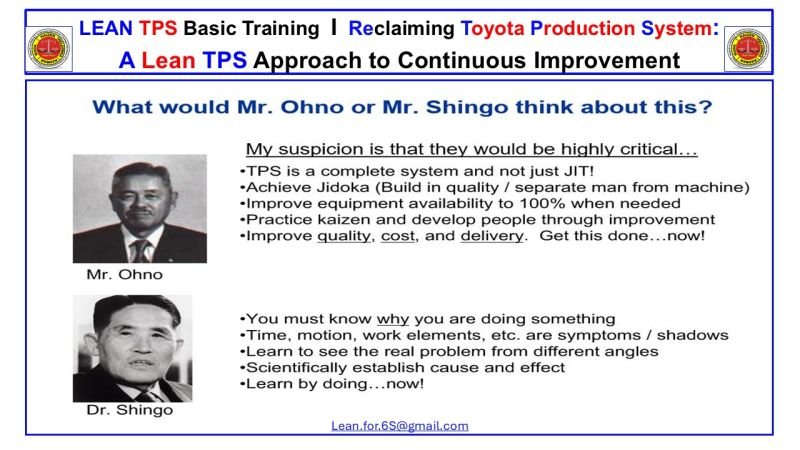
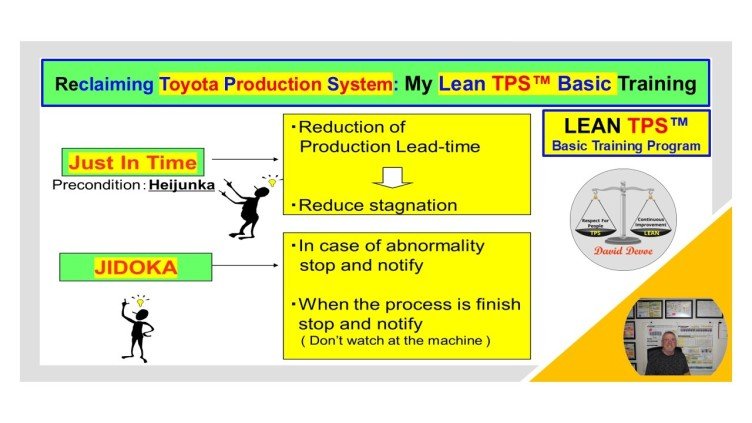
From 1912 to 1947, Kiichiro Toyoda and later Taiichi Ohno developed a new management model built on waste elimination. Kanban, Heijunka, and Jidoka were not only tools but principles that aligned purpose and flow. During my studies in Japan at Takahama and Kariya, I learned how these systems encouraged people to analyze abnormalities and take ownership for correction at the source.
Establishing TPS in Practice
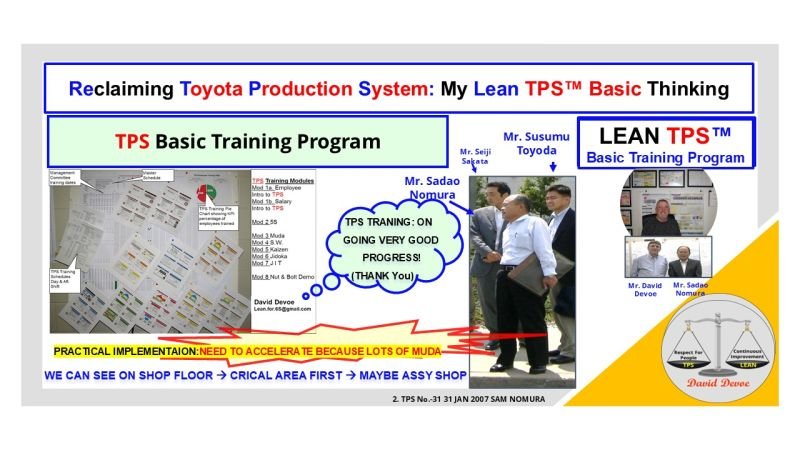
Between 1948 and 1977, the Toyota Production System became the foundation for global production excellence. Under the guidance of Mr. Susumu “Sonny” Toyoda and other mentors, I saw how Jidoka and the Plan-Do-Study-Act cycle worked together to connect process stability with leadership responsibility. My involvement as a Core Member in Toyota’s North American Jishuken activities reinforced the same message: leadership learns by doing.
Kaizen and Jishuken
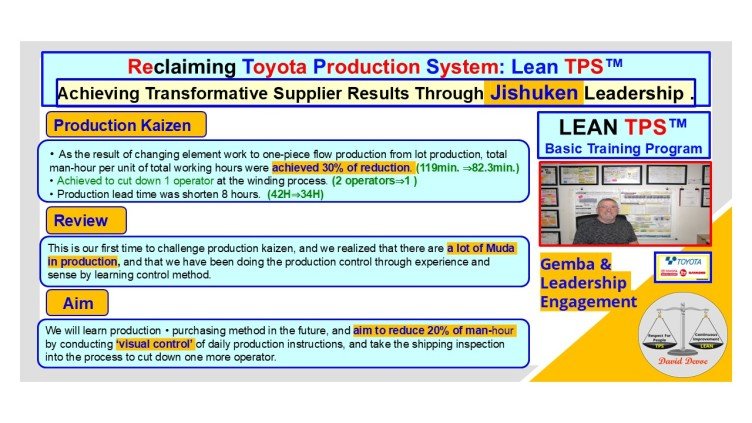
From 1978 through the 1990s, Kaizen and Jishuken evolved into Toyota’s two strongest learning systems. Kaizen improved daily work through team ideas. Jishuken developed leaders through focused study of process and flow. At Toyota BT Raymond, I adapted both methods to fit the North American environment, combining structure with flexibility to sustain learning.
Sustainability and Modernization
From 2000 onward, Toyota expanded its focus to include sustainability and digital innovation. The Environmental Challenge 2050 and new hybrid work systems demonstrated that the same TPS principles apply even in advanced environments. Lean TPS continues to evolve to meet these challenges while remaining true to its foundation of respect for people and continuous improvement.
The Ongoing Journey
Lean TPS represents the continuation of Toyota’s thinking in a modern context. It brings together the spirit of reflection, the discipline of Standardized Work, and the purpose of leadership development through Jishuken. Every improvement is a step toward creating systems that prevent failure and empower people to think.