In the Toyota Production System, a Sensei is more than a teacher. A Sensei is the living link between experience and application, the person who ensures knowledge is not lost between generations. For me, that person was Mr. Sadao “Sam” Nomura, Senior Advisor for Toyota Industries Corporation.
When Mr. Nomura visited BT Raymond in Brantford, Ontario, he did not give lectures. He observed. He walked the floor, looked at flow, asked questions, and wrote down his observations on small sheets of paper. We called them Nomura-Grams. Each note described a real condition, a visible fact that required leadership action.
He expected improvement to be hands-on and immediate. At the end of every visit, his notes were transferred to A3-sized sheets so that the lessons could be studied and shared. Each A3 became a record of mentorship. Nomura used these to teach leadership, accountability, and problem solving in a structured, measurable way.
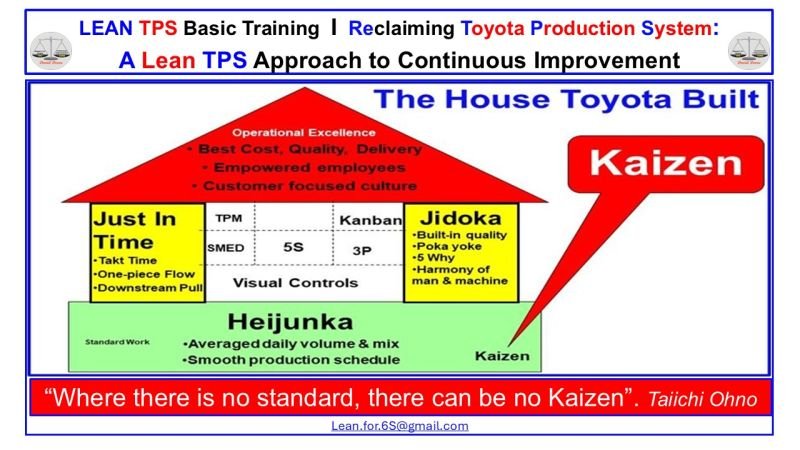
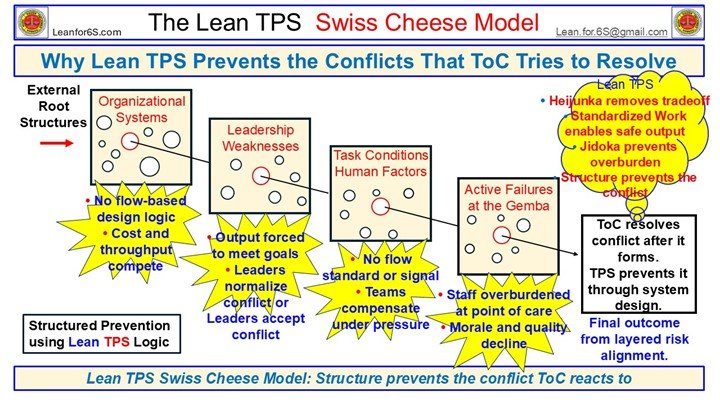
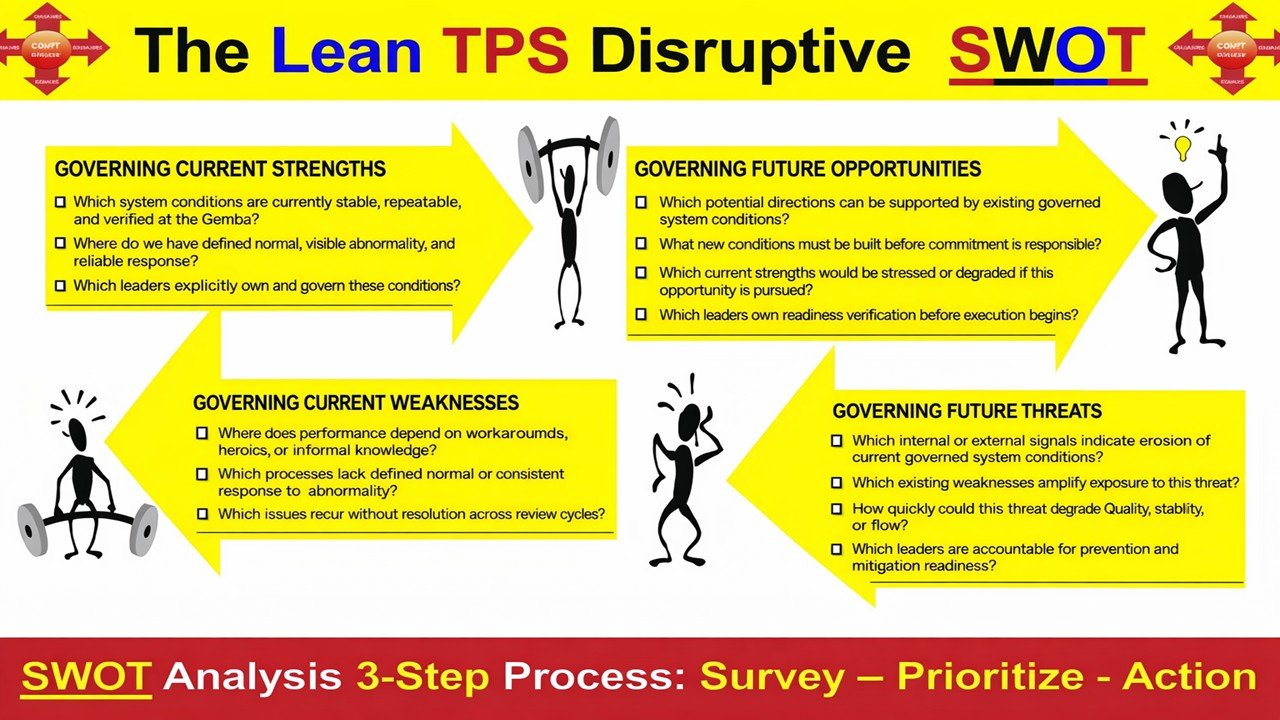
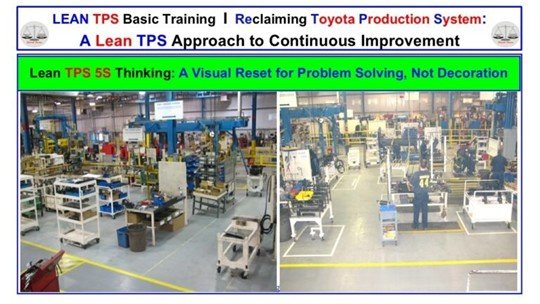
One of those A3s, Nomura-Gram #31, remains one of my most valued lessons. During that visit, he asked for a copy of the Lean TPS training material that I had developed. He said it represented the right balance of theory and Gemba practice. His gesture was not about praise. It was about responsibility. He wanted proof that our learning could continue after he left.
Nomura’s mentorship always focused on the connection between people and process. He said that true TPS could only exist when leaders developed people who could see, understand, and solve problems on their own. The Sensei’s role was to build that capability, not to give answers. His method was quiet, consistent, and direct.
He taught that knowledge transfer is not a classroom exercise. It is the act of leaders working beside others, confirming facts, and demonstrating discipline. When a Sensei teaches, they expect the student to teach others. That is how TPS continues.
Nomura’s presence reminded us that improvement and learning are the same thing. Every observation was a lesson. Every correction was an opportunity to develop people. His approach showed that a Sensei’s greatest contribution is not the system they improve, but the people they leave capable of improving it further.
That is how the Toyota Production System preserves its strength. It is not through books or charts, but through mentorship that makes knowledge visible and transferable. Mr. Nomura embodied that role, and his influence continues to guide how I teach Lean TPS today.