Reflection, or Hansei, is a central habit in the Toyota Production System. It reminds us to pause, study our progress, and build on what has been learned. My Lean TPS Basic Thinking represents that same practice of reflection, drawn from my early years implementing TPS at Toyota BT Raymond in Canada.
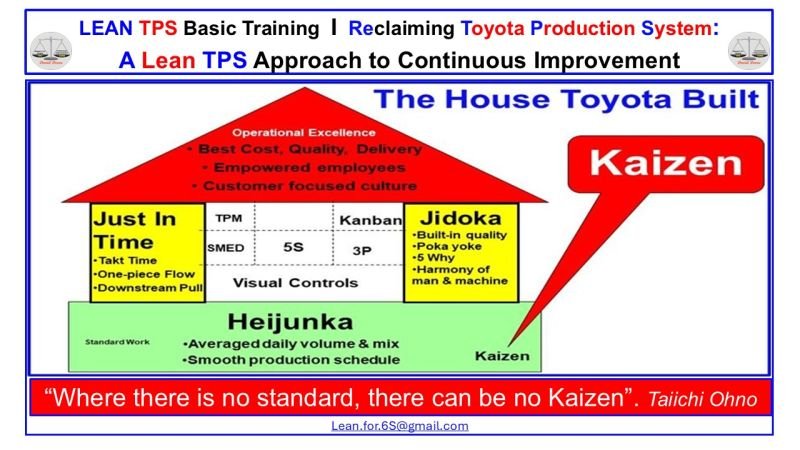
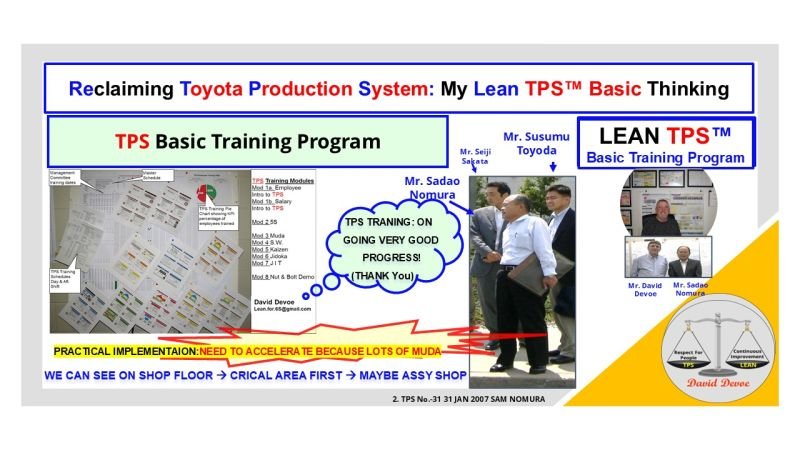
During this period, I developed a customized TPS Basic Training Program to help teams understand and apply the principles of Just In Time, Jidoka, and Standardized Work. These materials were not academic. They were designed for use on the shop floor where real learning happens. When Mr. Sadao Nomura, Senior Advisor at Toyota Industries Corporation, visited our facility, he reviewed these modules in detail. His response was simple but meaningful: “TPS training ongoing very good progress. Thank you.” That note became part of his Nomura Memo No. 31, dated January 2007.
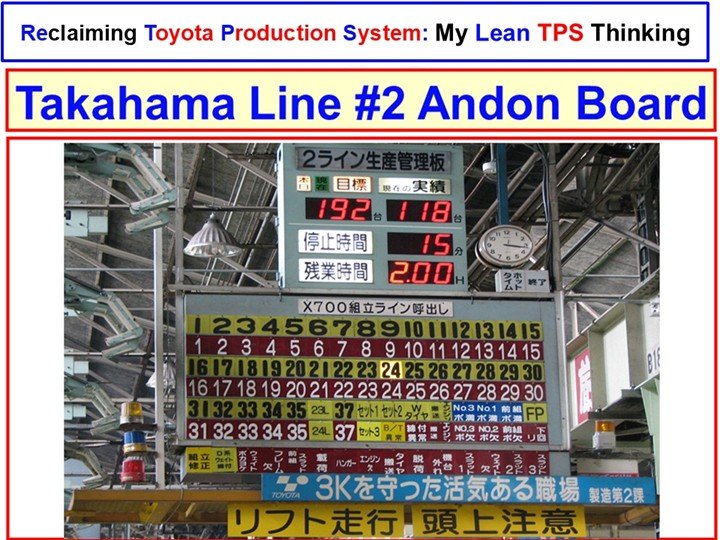
This validation from one of Toyota’s leading quality experts reinforced a key truth: practical TPS training must always focus on implementation, not presentation. Mr. Nomura emphasized the need to accelerate improvement because of excessive muda, or waste, in daily operations. His direction was clear: start at the shop floor, find the critical areas first, and work through the process with your own eyes.
As TPS Coordinator, Kaizen Manager, and later Jishuken Core Member with Toyota Material Handling Manufacturing North America, I applied these principles every day. Working alongside mentors like Mr. Nomura, Mr. Seiji Sakata, and Mr. Susumu “Sonny” Toyoda, I learned that the strength of TPS is not in its tools but in the thinking of its people. The structure of Standardized Work, the discipline of stopping for abnormality, and the rhythm of Heijunka all exist to develop people who can see and solve problems.
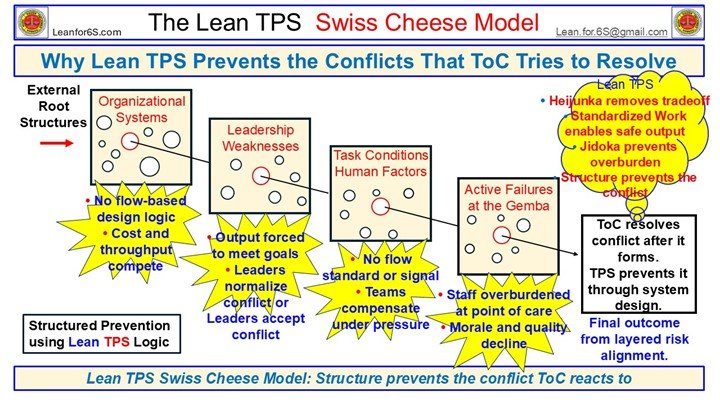
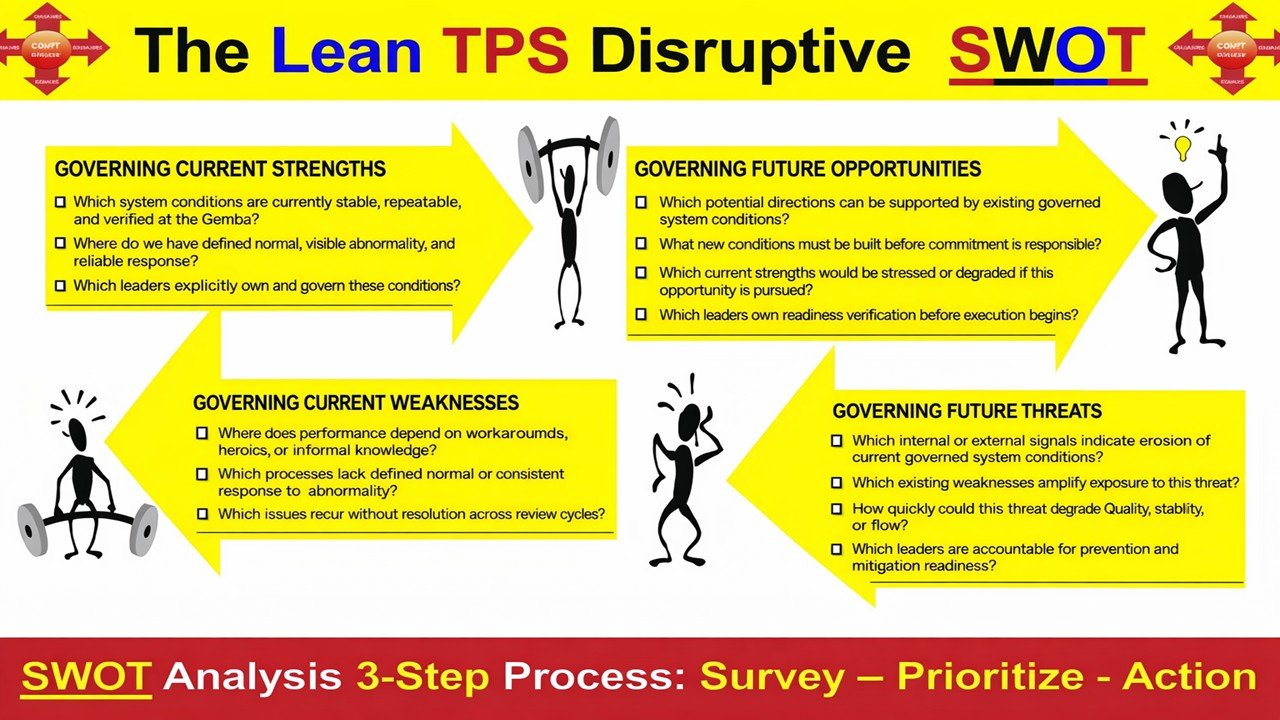
Lean TPS Basic Thinking continues that legacy. It teaches how to connect purpose, process, and people through structured learning. Each module builds the capability to identify abnormality, reduce stagnation, and sustain flow. The goal is not to copy Toyota, but to understand how the Toyota Production System was designed to prevent failure by teaching people to think.
The message from Mr. Nomura still applies today. There is always muda to eliminate and always progress to make. Continuous improvement begins with seeing clearly, thinking deeply, and acting immediately. That is the purpose of Lean TPS Basic Thinking.