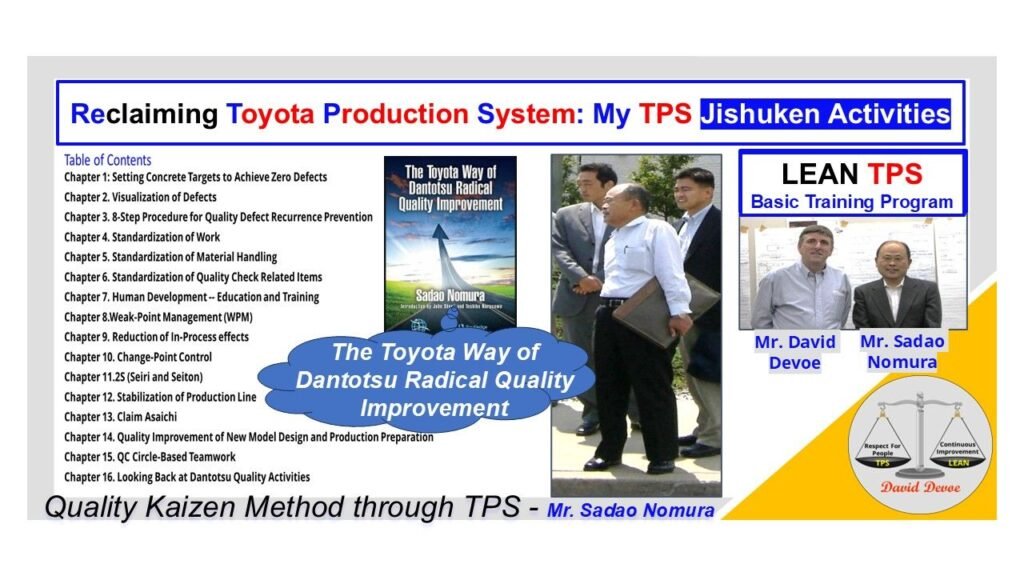
Dantotsu Quality: What I Learned from Mr. Sadao Nomura About TPS

David Devoe with Mr. Sadao “Sam” Nomura during a Jishuken activity at BT Raymond, showing the legacy of Dantotsu Quality and Toyota Production System leadership.
Dantotsu Quality is the living expression of TPS discipline. Mr. Nomura taught that zero defects come from leadership accountability, visible problems, and the courage to respond immediately.

When Mr. Sadao “Sam” Nomura visited our facilities, he made one thing clear. Quality could never be managed as a department. It had to be designed into every activity of the Toyota Production System. At Toyota, quality was not inspection. It was leadership discipline.

Mr. Nomura taught that defects could not hide in computers or be left for end-of-line correction. They had to be seen, written, and solved in real time. He expected control boards to move from daily to hourly checks. Leaders were to stand at the Gemba, confirm conditions with their own eyes, and take immediate action. He called this Genchi Genbutsu applied to quality.

He was precise about flow. Rework was never to be mixed with normal production. Hospital areas were to be separate and controlled, because once defects entered the main line, flow collapsed. Supplier issues were treated with the same urgency. The worst thirty suppliers were ranked, visited, and coached directly. His target was not fewer defects. It was zero.

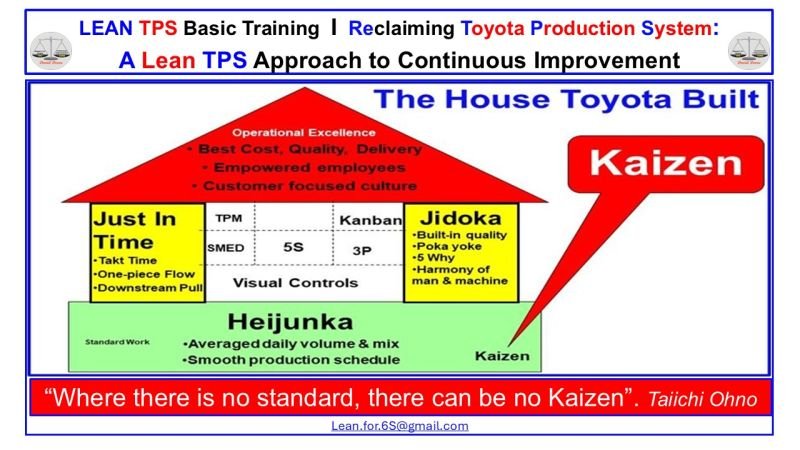
Nomura connected quality directly to Standardized Work and Heijunka. Without stability and level loading, he said, problems could not appear in time to be solved. Standardized Work was not paperwork but the method to balance Just in Time and Jidoka. It was how Toyota sustained rhythm without fear.

His most powerful lesson was that quality improvement was not about tools or systems. It was about leadership accountability. Every problem had an owner. Every countermeasure had a time limit. Immediate, one-day, one-week, or one-month response. Anything slower was failure.

Years later, when Mr. Nomura published The Toyota Way of Dantotsu Radical Quality Improvement, it confirmed everything he had already taught. The same structure, the same rhythm, and the same expectation of zero defects. Dantotsu was not a slogan. It meant radical quality improvement lived through daily discipline.

He showed that Dantotsu Quality is not separate from TPS. It is TPS applied with complete respect for people. It is the courage to confront every defect, the structure to prevent recurrence, and the humility to learn from each problem.

That is what I learned from Mr. Nomura, and it remains the standard I carry forward in my Lean TPS work today.
Introduction Artificial intelligence and humanoid robotics are entering production, logistics, and service environments faster than most organizations are prepared for. Many companies are searching for frameworks to manage this shift, but the structure they need has existed inside Toyota for nearly a century. The Toyota Production System is the only

What Mr. Ohno and Dr. Shingo would think of modern Lean interpretations
A Lean TPS visual showing what Mr. Ohno and Dr. Shingo emphasized: TPS as a complete system based on Jidoka, Kaizen, scientific thinking, and learning by doing.
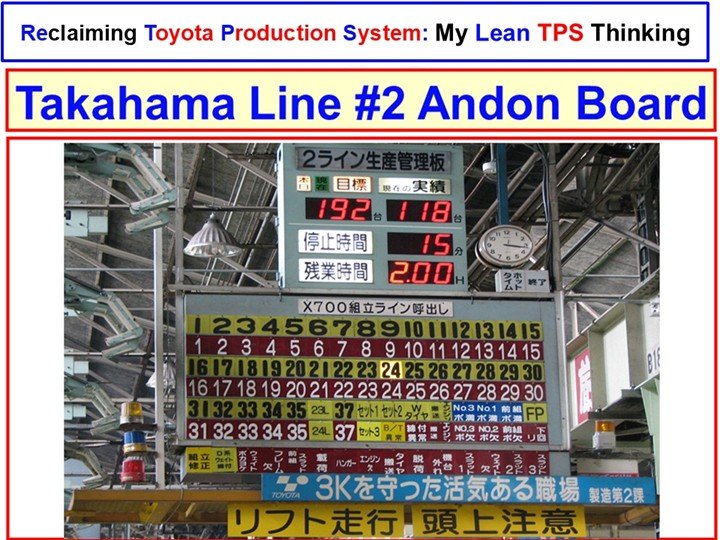
Lean TPS Jishuken case study visual showing production kaizen results at a Takahama supplier, including 30 percent man-hour reduction and leadership engagement through Lean TPS Basic Training.
A Takahama Jishuken case study showing how supplier performance improved by 30 percent through structured leadership engagement and Lean TPS thinking.
Visual representing the evolution of the Toyota Production System and Lean TPS from Kaizen and Jishuken foundations.
Lean TPS connects Toyota’s industrial legacy to modern continuous improvement through reflection, Jidoka, and leadership development at the Gemba.
Visual showing Toyota leaders Mr. Sadao Nomura, Mr. Seiji Sakata, and Mr. Susumu Toyoda reviewing Lean TPS Basic Training at Toyota BT Raymond.
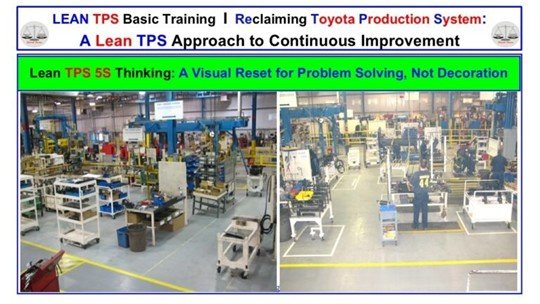
TPS Basic Thinking continues the tradition of Toyota Production System learning, emphasizing reflection, abnormality response, and waste elimination through structured training.
Visual showing Just In Time and Jidoka pillars from Lean TPS Basic Training with focus on lead time reduction and abnormality response.
Lean TPS Basic Training teaches how Just In Time and Jidoka work together to prevent failure, reduce stagnation, and build capability in people through the Toyota Production System.