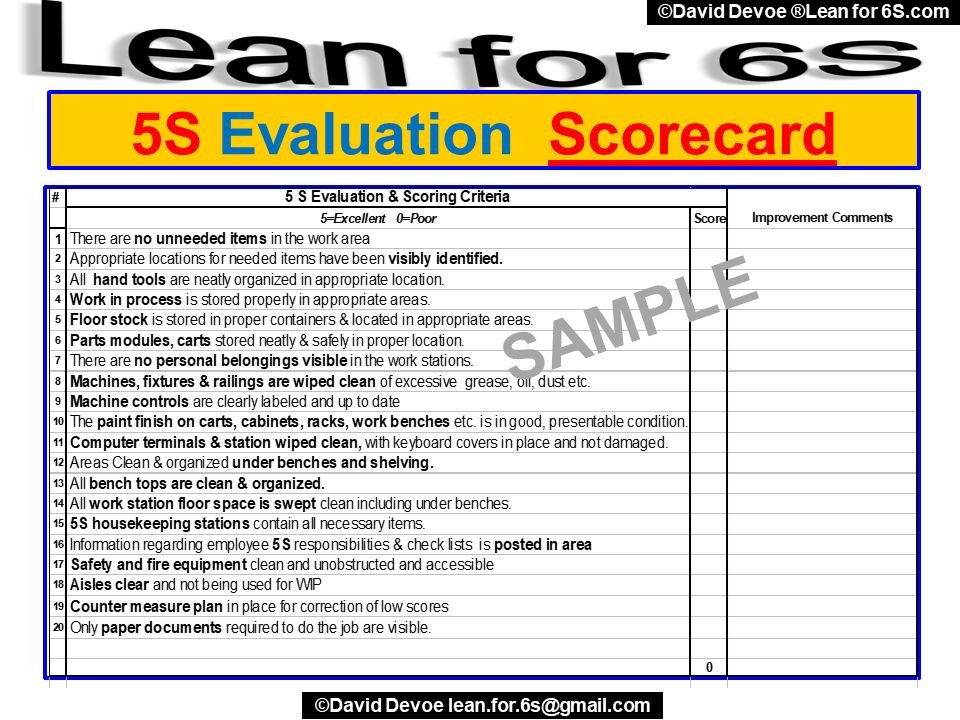
Why a 5S Scorecard Is More Than a Cleaning Checklist

Lean TPS 5S Evaluation Scorecard showing a 20-point checklist used to assess workplace organization, safety, and readiness at the Gemba.
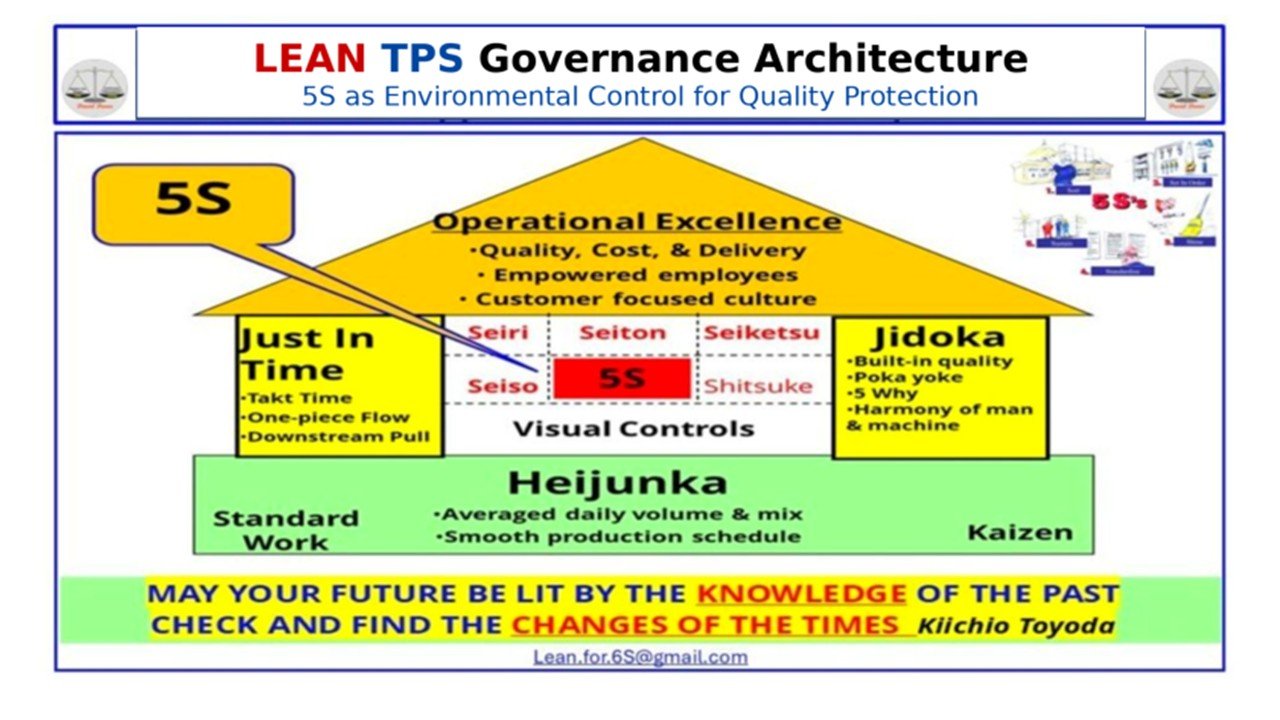
The 5S Evaluation Scorecard is more than a checklist. It is a Lean TPS method for sustaining safety, organization, and stability through structured evaluation and leader follow-up at the Gemba.

When many organizations think of 5S, they imagine cleaning days, fresh paint, and neatly arranged tool racks. While those actions improve appearance, they miss the true purpose of 5S in Lean TPS. The goal is not visual order for its own sake. The goal is to build a stable, repeatable environment that supports flow, reduces waste, and develops capability.

The 5S Evaluation Scorecard was designed for that purpose. It is not a tool for high scores or presentation. It is a visual standard that defines how safety, organization, and readiness are maintained at the Gemba.

Each line on the scorecard connects directly to performance:

  • Removing unneeded items frees space and reduces motion waste.
  • Defining locations ensures that anyone can find and return tools quickly.
  • Cleaning machines prevents defects and extends equipment life.
  • Documented countermeasures ensure that problems are acted upon, not hidden.

In Lean TPS, 5S is not evaluated on appearance but on function. A workstation may look clean, yet still fail if safety equipment is blocked, work in process is scattered, or documentation is missing. The scorecard makes this visible. It sets the baseline for stability and improvement.

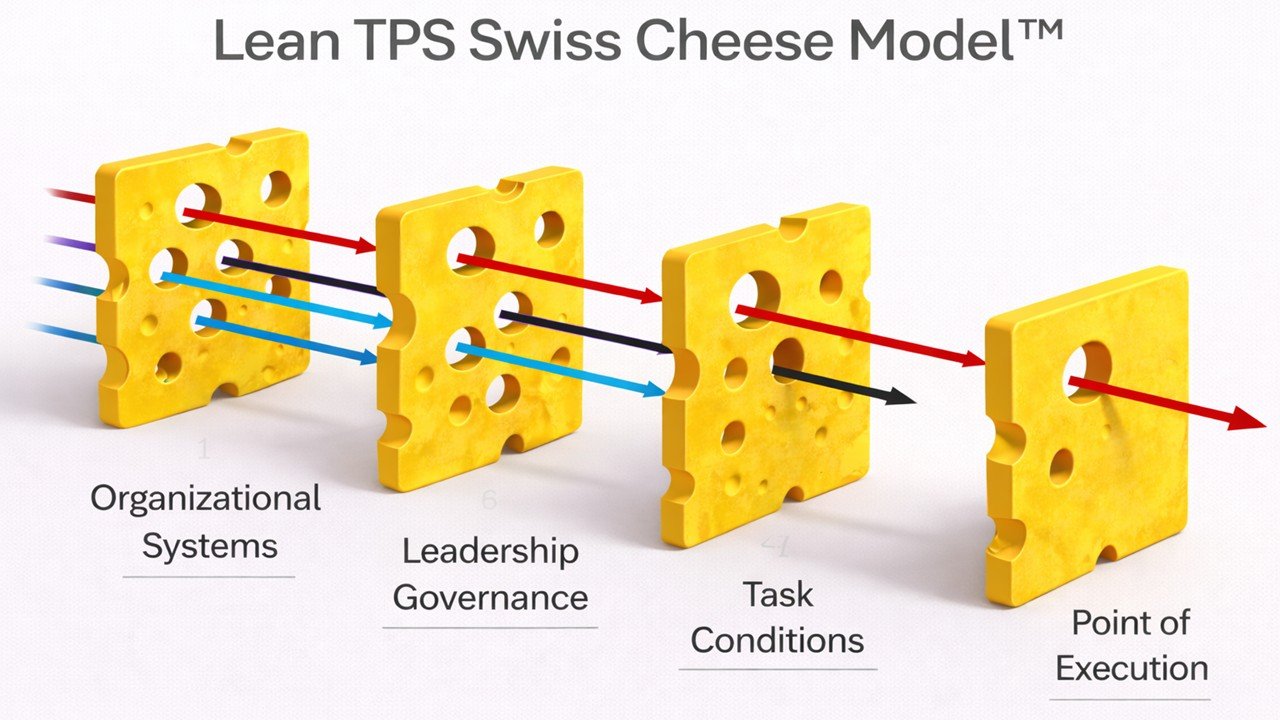
Using the scorecard, leaders can measure consistency, identify patterns, and act early. It trains them to see deviations before they become breakdowns. That is how risk is prevented rather than managed after the fact.

A high-functioning 5S system within Lean TPS always includes:

  • A clear, visual standard for each area.
  • A consistent scoring method and frequency.
  • A defined review rhythm linked to leader standard work.
  • Countermeasures recorded and verified after every evaluation.

5S is not a short-term project. It is a discipline that must be practiced daily. The 5S Evaluation Scorecard keeps the focus on what matters most: safety, quality, delivery, and cost performance through a stable, well-organized workplace.

If 5S in your organization feels like housekeeping, the scorecard will help reveal its true purpose. It is the structure that connects discipline to daily performance and turns visual order into sustained improvement.
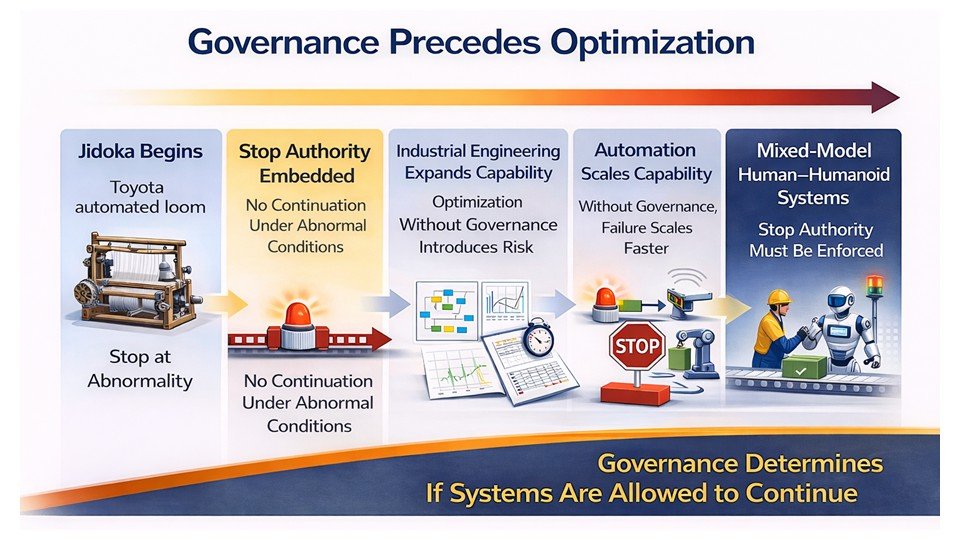
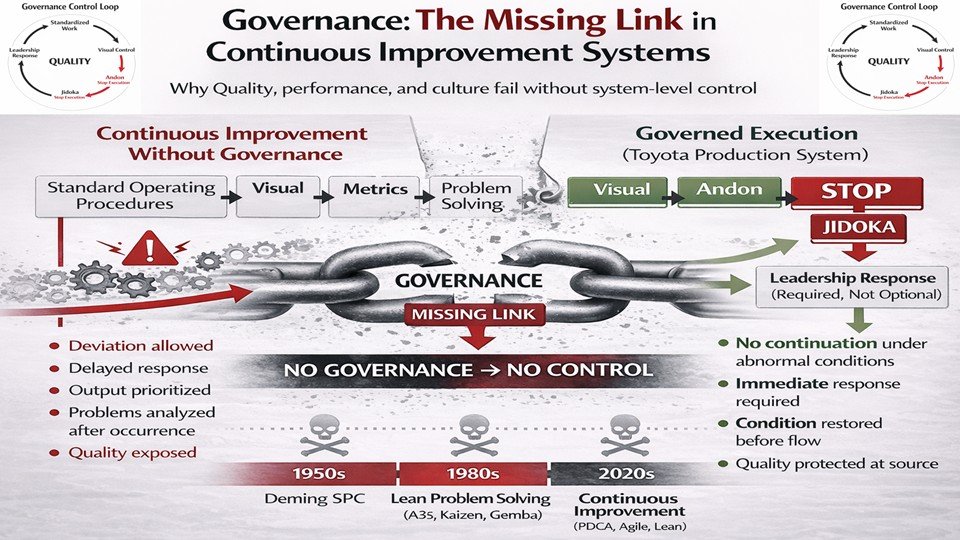
Introduction Artificial intelligence and humanoid robotics are entering production, logistics, and service environments faster than most organizations are prepared for. Many companies are searching for frameworks to manage this shift, but the structure they need has existed inside Toyota for nearly a century. The Toyota Production System is the only

What Mr. Ohno and Dr. Shingo would think of modern Lean interpretations
A Lean TPS visual showing what Mr. Ohno and Dr. Shingo emphasized: TPS as a complete system based on Jidoka, Kaizen, scientific thinking, and learning by doing.
Lean TPS Jishuken case study visual showing production kaizen results at a Takahama supplier, including 30 percent man-hour reduction and leadership engagement through Lean TPS Basic Training.
A Takahama Jishuken case study showing how supplier performance improved by 30 percent through structured leadership engagement and Lean TPS thinking.
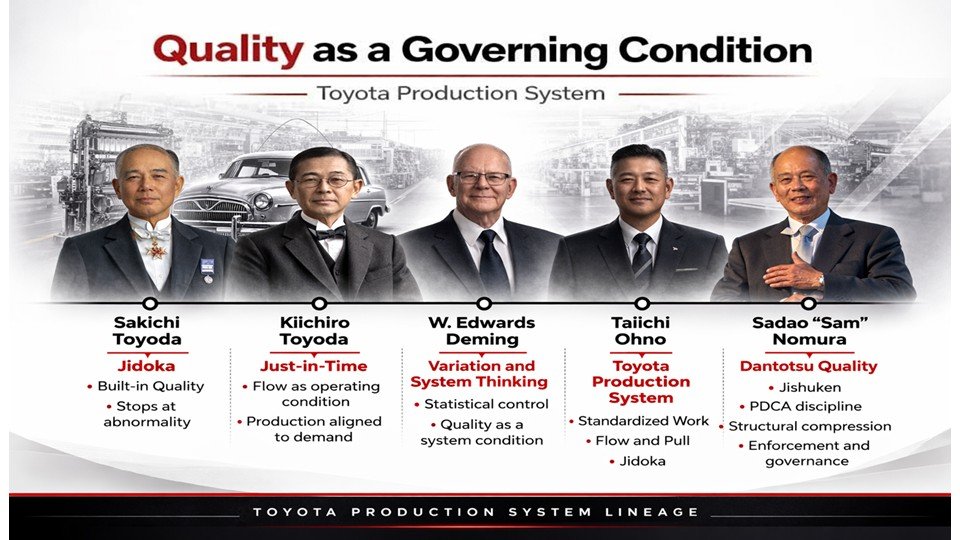
Visual representing the evolution of the Toyota Production System and Lean TPS from Kaizen and Jishuken foundations.
Lean TPS connects Toyota’s industrial legacy to modern continuous improvement through reflection, Jidoka, and leadership development at the Gemba.
Visual showing Toyota leaders Mr. Sadao Nomura, Mr. Seiji Sakata, and Mr. Susumu Toyoda reviewing Lean TPS Basic Training at Toyota BT Raymond.
TPS Basic Thinking continues the tradition of Toyota Production System learning, emphasizing reflection, abnormality response, and waste elimination through structured training.
Visual showing Just In Time and Jidoka pillars from Lean TPS Basic Training with focus on lead time reduction and abnormality response.
Lean TPS Basic Training teaches how Just In Time and Jidoka work together to prevent failure, reduce stagnation, and build capability in people through the Toyota Production System.